Discovery and MVP Scope
Your idea turned into a short feature list for a first version that proves the concept, with everything else planned for later.
React Native app development
Turn your app idea into a real Android and iOS app without paying for two separate builds. My team at Kashif Mahmood Studios builds React Native apps for startups and growing businesses: a focused MVP first, with the backend and admin panel built alongside, then new features as your users grow.
Direct answer
Building the smallest app that proves your idea, then growing it with real user feedback.
Mobile app development for startups means building a focused first version, an MVP, that real users can download and use, then improving it based on what they do. It covers scoping the core features, designing the screens, building the app for Android and iOS, creating the backend and admin panel, testing on real devices and releasing to the app stores. React Native keeps the cost down by using one codebase for both platforms.
For most startup apps, yes. It is used for marketplaces, booking and community apps, content and dashboard apps, and casual games like Talking Bloop.
A fully native build makes more sense for graphics-heavy 3D games or apps that depend on deep, platform-specific hardware features. We will tell you honestly which fits.
Services
Everything a startup app needs, from the first feature list to updates after launch.
Your idea turned into a short feature list for a first version that proves the concept, with everything else planned for later.
Screens designed for real phones, with simple flows for sign-up, onboarding and the core task users come for.
One codebase for Android and iOS, built from reusable components so new features are faster to add.
Node.js, Express and MongoDB APIs for user accounts, profiles, media storage and third-party integrations.
A web admin panel to manage users, content and data, planned together with the app so everything fits.
In-app payments, Google AdMob ads and push notifications where your business model needs them.
Testing on real devices, release builds, store listings and screenshots for Google Play and the App Store.
Bug fixes, Android, iOS and React Native updates, and new features once real users start giving feedback.
Case studies
A game, a community app and a business tool, all built with React Native.
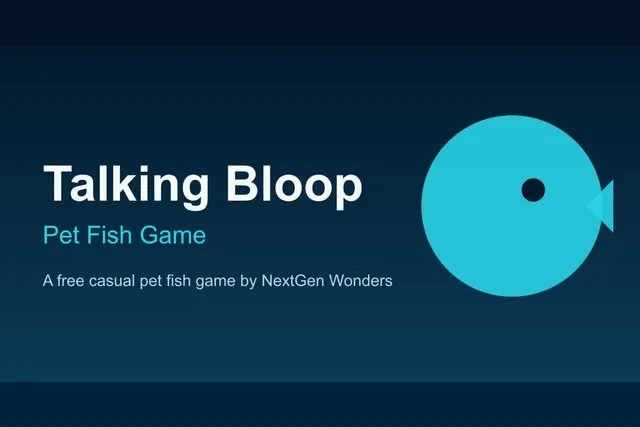
A casual Android game where a pet fish repeats what you say in a silly voice, with 7 mini-games, Google AdMob and privacy-conscious microphone use. Live on Google Play. Read the case study.
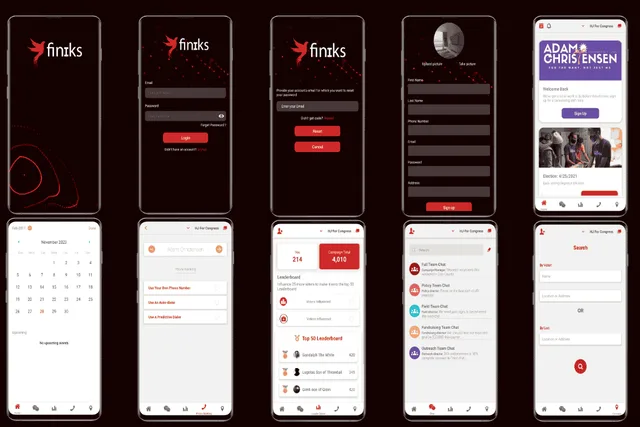
A campaign management app for political campaigns, with an events calendar, voter search and lists, team chat and a leaderboard. Read the case study.
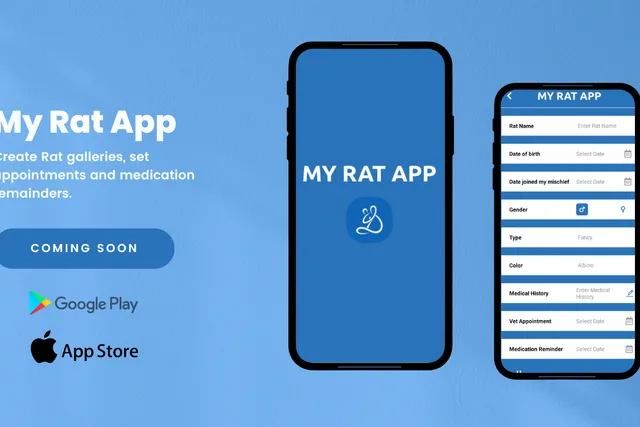
An app for rat owners to keep profiles, photos, vet appointments and medication reminders for each pet, built with React Native, Node.js and MongoDB. Free on Google Play. Read the case study.
Compare
All three can build a great app. For most startups, the deciding factors are budget and speed.
| Approach | Codebase | Best for | Time to MVP |
|---|---|---|---|
| React Native | One codebase in JavaScript or TypeScript for Android and iOS | Most startup apps, and teams that also use React for the web | Fast |
| Native (Swift and Kotlin) | Two separate apps, one per platform | Graphics-heavy games and apps built on deep hardware features | Slower, two builds |
| Flutter | One codebase in Dart for Android and iOS | Cross-platform apps with highly custom interfaces | Fast |
Process
Short steps, working builds you can try, and no surprises at the end.
FAQs
It depends on the features, the design, the backend and integrations such as payments or maps, and whether you launch on Android, iOS or both. We scope a focused first version, then give a fixed quote for it.
It depends on the scope. A tightly scoped MVP with only the features that prove your idea is the fastest route to launch. You get a timeline with the quote and see working builds along the way.
Yes. React Native uses one JavaScript or TypeScript codebase for both platforms, with platform-specific code only where an app needs it. That is why it suits startups that need both apps on a budget.
React Native suits most startup apps: marketplaces, booking, community, content, dashboards and casual games. Fully native Swift and Kotlin apps make more sense for graphics-heavy games or apps built around deep, platform-specific hardware features.
Yes. The team builds APIs and databases with Node.js and MongoDB, plus web admin panels, so the app, server and dashboard are planned and built together.
Yes. We prepare the release builds and store listings and help you submit to Google Play and the Apple App Store from your own developer accounts. Talking Bloop and My Rat App are both available on Google Play.
Yes. We review the code, dependencies and build setup first, then fix bugs, update React Native and libraries, and add new features.
Have an app idea?
Tell me what your app should do and who it is for. You will get a clear MVP plan, a timeline and a fixed quote.