WooCommerce Store Development
Build a complete WordPress ecommerce store with products, essential pages, customer accounts, cart, checkout and operational settings.

I’m Kashif Mahmood, a WordPress ecommerce developer providing custom WooCommerce development services for physical products, digital downloads, specialist catalogues, fashion, jewellery, wholesale requirements and custom store workflows.
If you are comparing a WooCommerce development agency, a WooCommerce development company or an independent expert, practical implementation matters more than labels. My service covers product structure, responsive design, variations, payments, checkout, shipping, customer accounts, performance, integrations and the WordPress foundation supporting them. The goal is a store your customers can use and your team can manage.
New stores, redesigns, migrations, fixes and ongoing improvements.
Custom WooCommerce development services create, configure or extend ecommerce functionality on WordPress around a store’s specific products and operational requirements. The work can include store design, product catalogues, variations, payments, shipping, taxes, checkout, customer accounts, subscriptions, wholesale rules, integrations, custom plugins, migrations, performance and ongoing support.
Effective development considers the full order journey rather than treating the shop as a collection of product cards. Product data, availability, pricing, checkout fields, payment responses, emails, fulfilment information, mobile usability and administrator workflows must work together reliably.
The service is shaped around what you sell, how customers choose it, where you deliver, how payments are collected and what your team needs after an order is placed.
Build a complete WordPress ecommerce store with products, essential pages, customer accounts, cart, checkout and operational settings.
Create or improve responsive shop, category, product, cart and checkout experiences aligned with the brand and buying process.
Structure simple, variable, grouped, digital or downloadable products with suitable attributes, media, stock and pricing.
Configure suitable payment gateways, checkout fields, order statuses, confirmation messages and customer emails.
Set up shipping zones, methods, thresholds, location rules and tax behavior based on the agreed markets and fulfilment process.
Support role-based access, wholesale enquiries, quantity requirements, custom orders or workflows that differ from retail purchasing.
Connect suitable extensions for recurring products, appointments, services, downloadable guides and access-controlled content.
Connect approved APIs, fulfilment services, CRMs, Google Sheets or operational systems when normal WooCommerce settings are insufficient.
Build focused functionality for pricing, validation, admin workflows or integrations through an upgrade-aware custom plugin.
Investigate theme assets, product media, queries, extensions and scripts that can affect catalogue browsing and checkout usability.
Move or repair products, customers, orders and store settings with redirects, compatibility checks and controlled launch planning.
Support updates, testing, security, backups, catalogue changes and continuing enhancements after the store is launched.
Need a unique WooCommerce rule or integration? See my dedicated WordPress plugin development services, including the ZIP/postal-code pricing system connected with Google Sheets.
These examples show experience with fashion, jewellery, specialist product catalogues, digital guides and wellness resources. They are project examples, not promises that every store needs the same design or feature set.
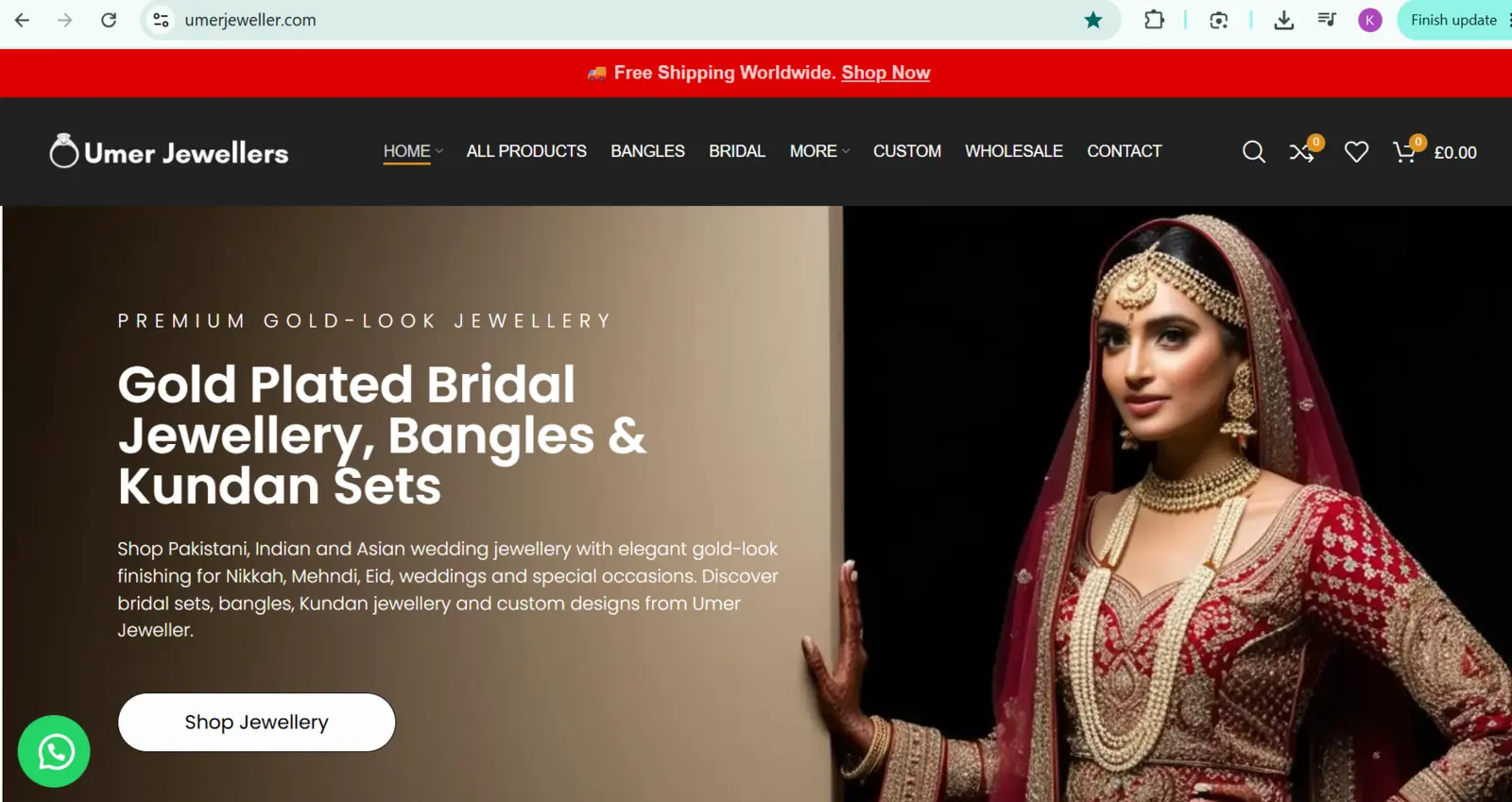
A large jewellery catalogue serving retail, custom-order and wholesale interests. The store uses categories, variable products, quick view, wishlist, comparison, approximate currency display and WhatsApp-assisted purchasing alongside normal WooCommerce cart actions. See the related WooCommerce SEO, AEO and GEO project.
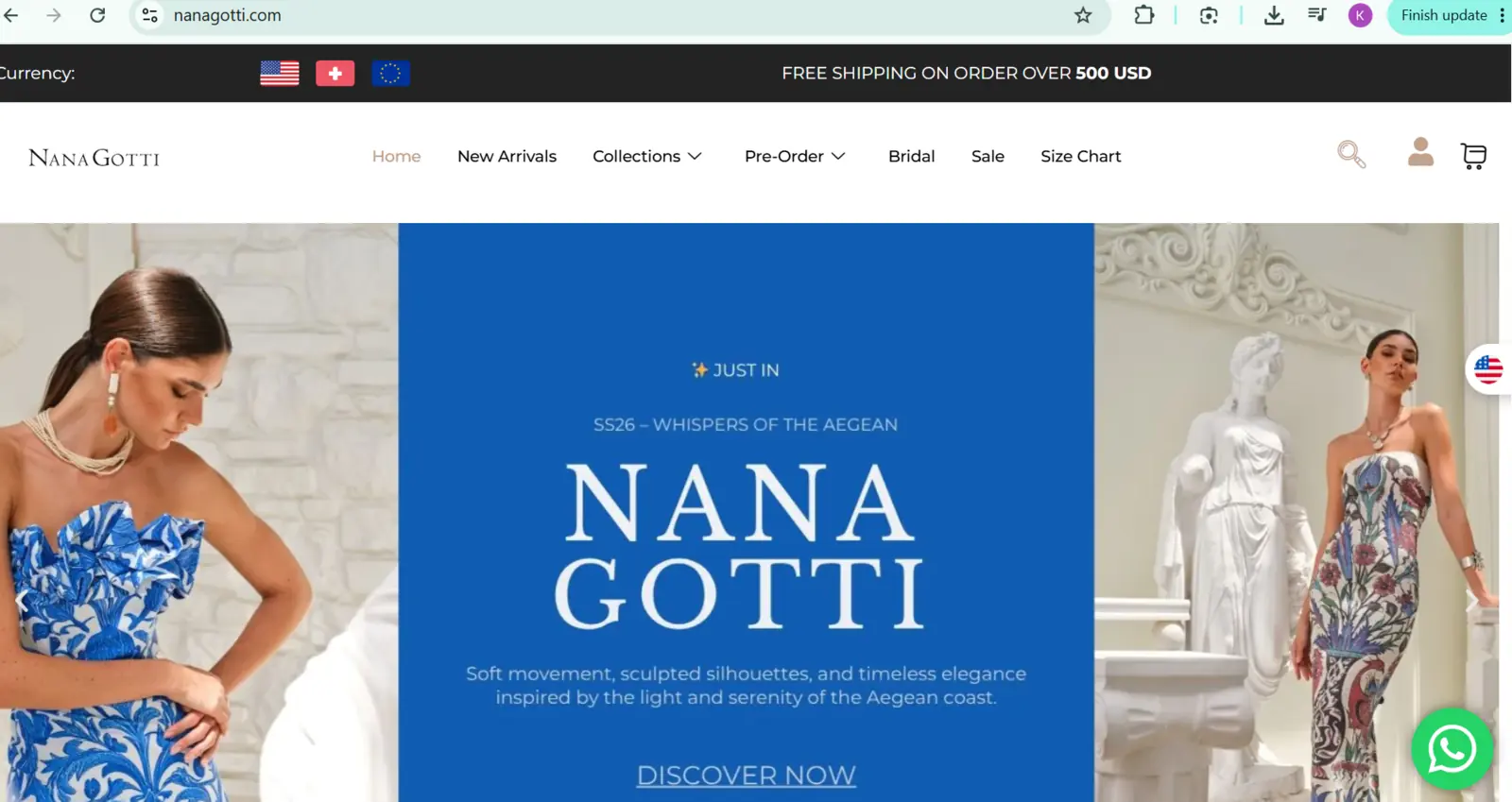
An international designer-fashion store organized around seasonal collections, new arrivals, bridal products, pre-orders and sale items. The customer experience includes currency options, search, accounts, cart and detailed product navigation.
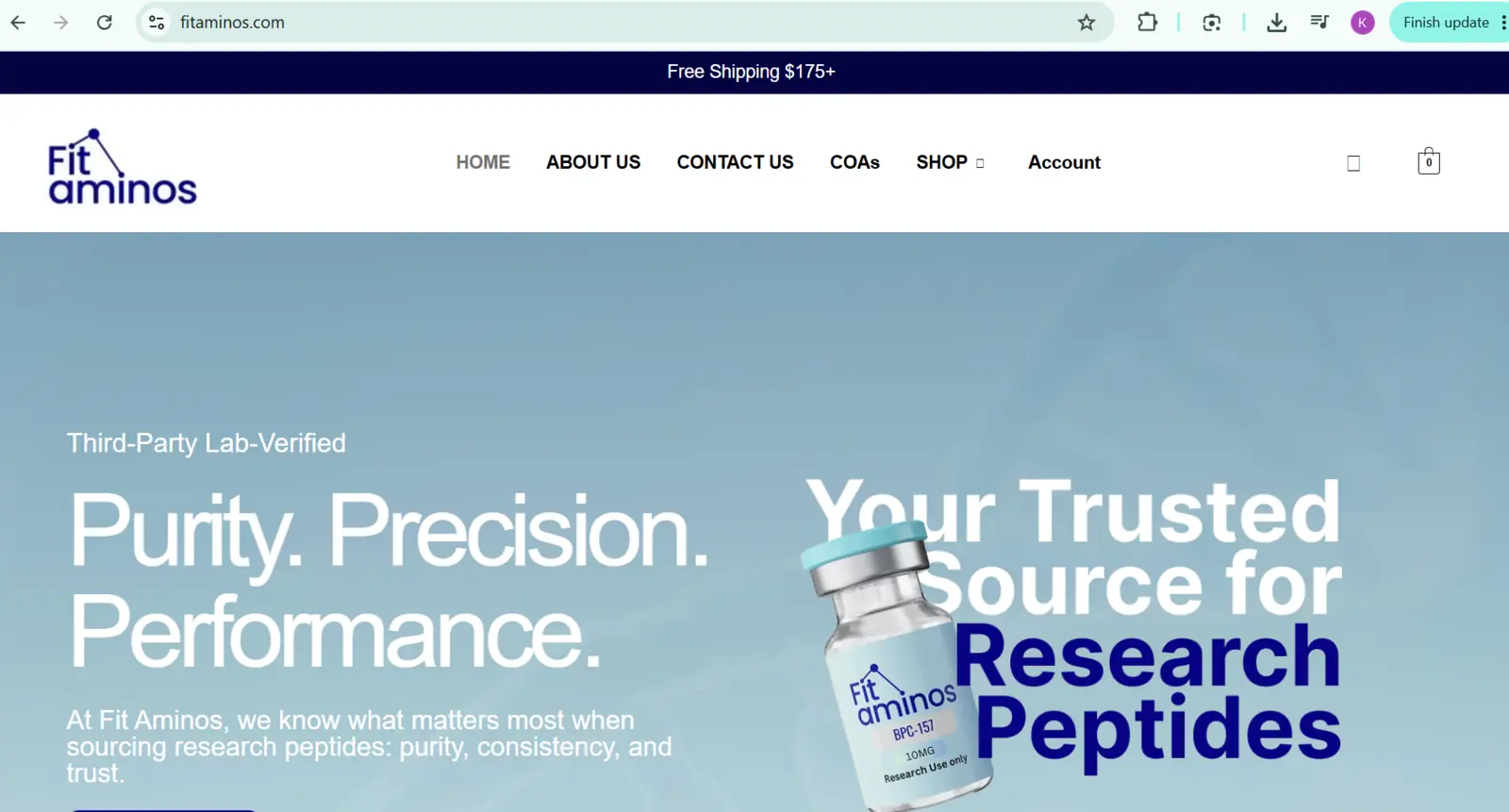
A specialist research-use ecommerce catalogue with product categories, variations, sale pricing, quick view, cart, customer accounts and Certificate of Analysis navigation. The project is presented as ecommerce development, without making product or health claims.
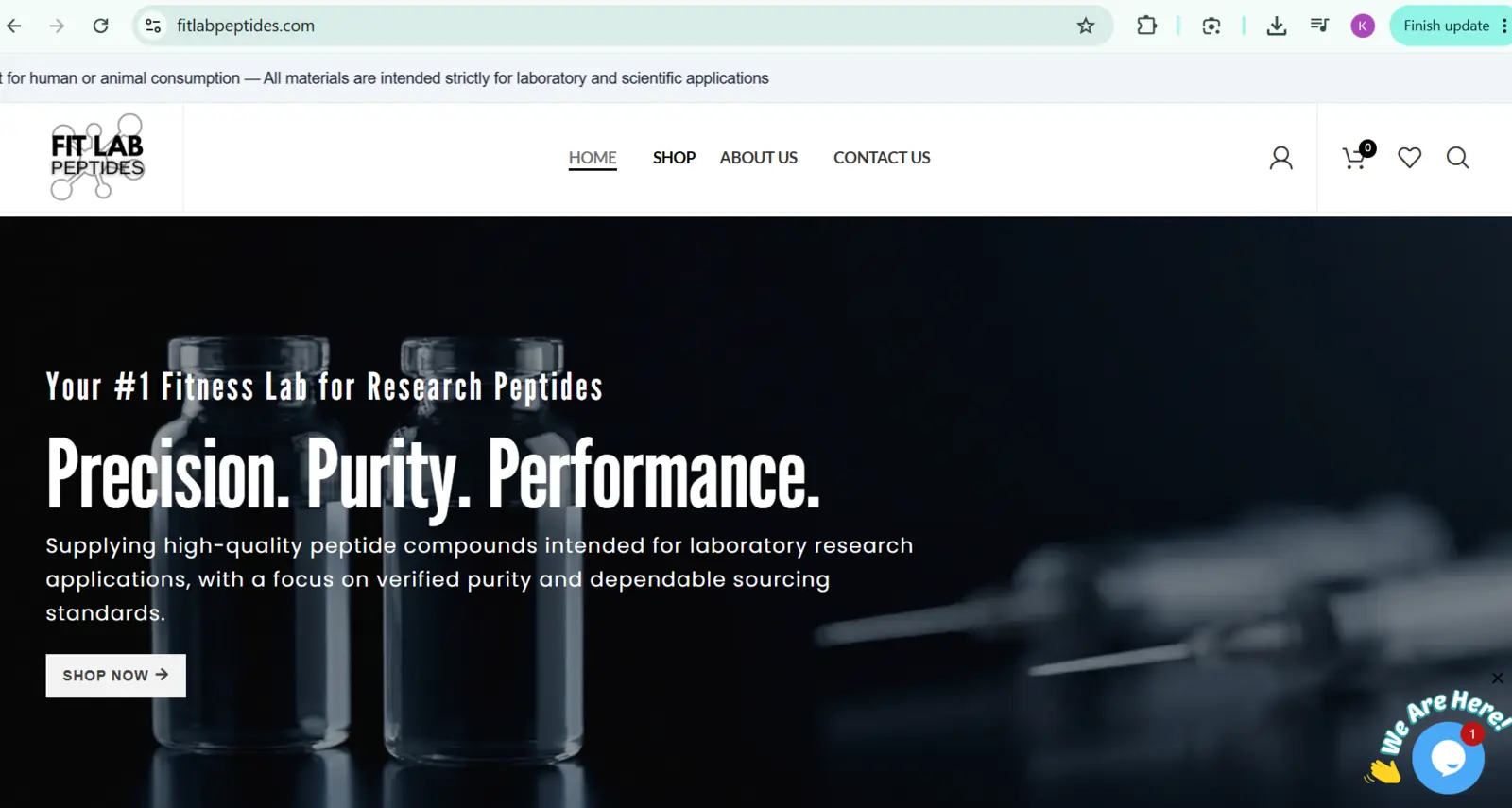
A product-focused store with catalogue browsing, quick view, wishlist, cart actions and visible research-use notices across the customer journey. Policy and support pages help organize important store information around the catalogue.
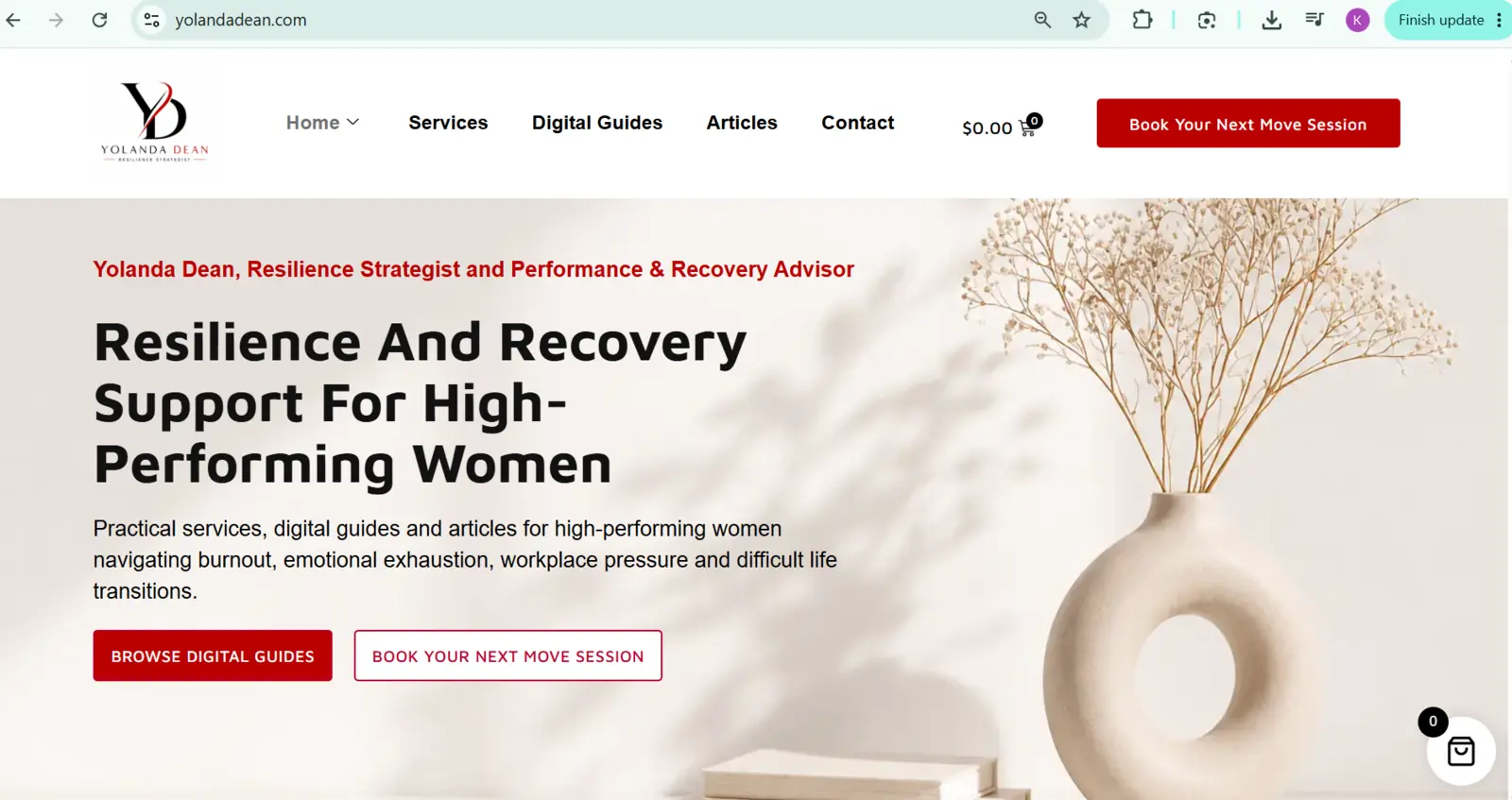
A service-led WordPress website using ecommerce for digital guides. The store functionality supports paid resources while the wider site promotes advisory services, articles and customer enquiries through a consistent brand experience.
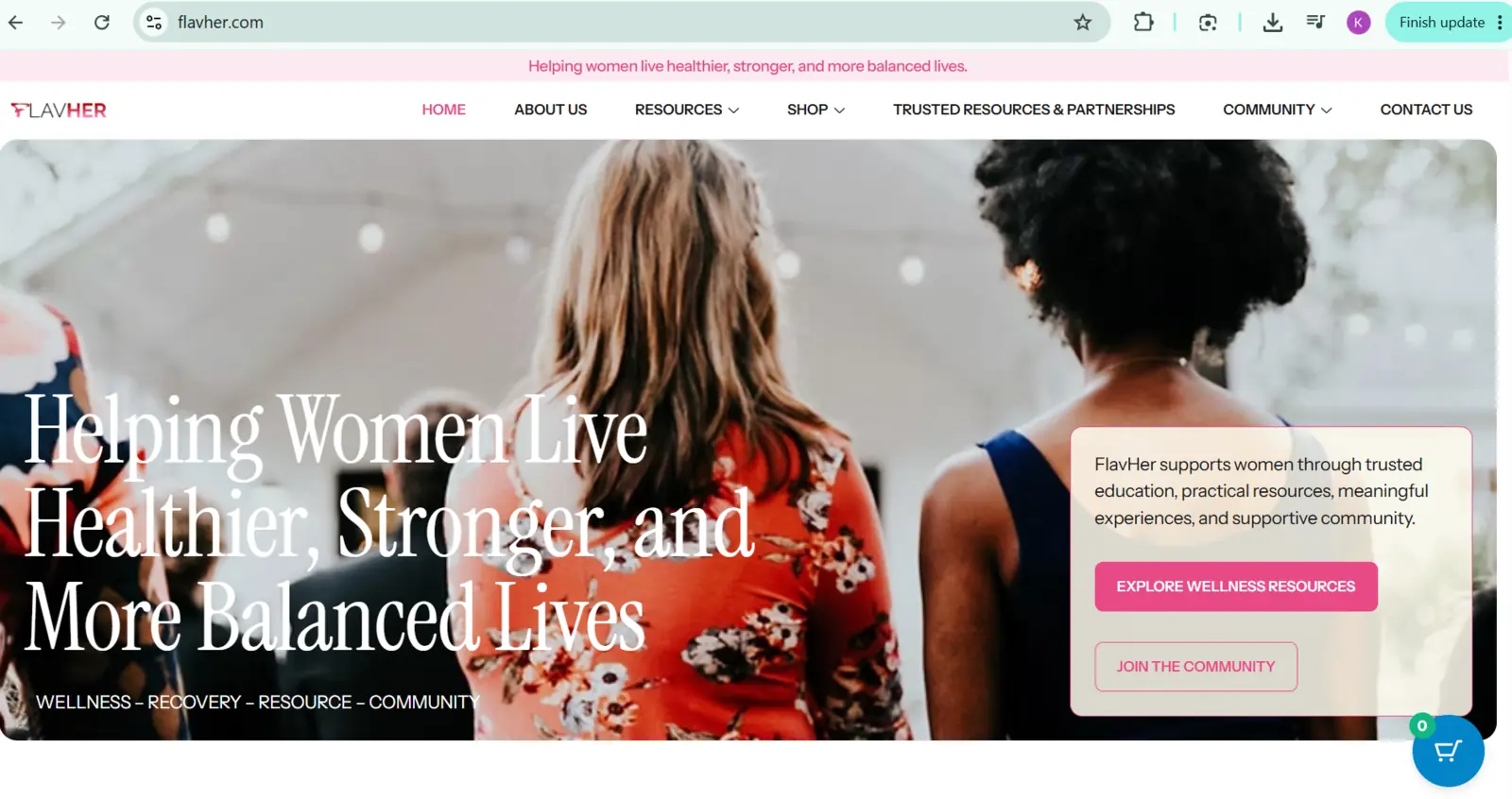
A wellness-resource website combining free downloads, paid guides, selected products and community content. WooCommerce handles shop activity while custom resource management keeps the free-download experience separate and easier to maintain.
Explore more website and ecommerce projects, or review my broader website development services.
The process starts with products and operations, then connects design and functionality around the buying journey.
Clarify product types, variations, customers, currencies, shipping locations, tax needs and fulfilment workflow.
Organize categories, attributes, navigation, product templates, policies and important customer information.
Develop the responsive store, configure WooCommerce and connect the agreed payment, shipping and supporting tools.
Test products, variations, coupons, cart, checkout, emails, accounts, mobile layouts and key order-status scenarios.
A dependable store usually comes from clear requirements and controlled functionality—not from choosing a label or installing an extension for every small problem.
| Approach | Best suited for | Main strength | Common limitation |
|---|---|---|---|
| Independent WooCommerce Developer | Stores needing direct access to the person handling design, configuration, code and integrations | Connects customer experience with WordPress, WooCommerce and operational requirements | Requires a defined scope, access and testing time |
| WooCommerce Development Company or Agency | Larger projects that need multiple specialists working through an account or project manager | Can provide a broader team and parallel resources | May add management layers and a higher operating cost |
| Theme Demo Setup | Simple stores closely matching an existing demo | Can establish the initial visual structure quickly | Does not automatically solve product, checkout or fulfilment requirements |
| Multiple Plugins | Independent features covered well by compatible extensions | Uses maintained products for common requirements | Too many overlapping plugins can create complexity, conflicts and performance costs |
| Custom Plugin | Unique pricing, data, validation or administrative workflows | Builds focused behavior around the exact requirement | Needs ongoing compatibility and maintenance planning |
A polished homepage is only one part of ecommerce. Product management, checkout reliability, emails, permissions, updates and performance affect the daily operation of the store.
Make products easier to find, understand, compare, select and purchase across desktop and mobile devices.
Structure products, orders and settings so authorized staff can maintain normal operations without editing code.
Consider theme quality, plugin compatibility, security, backups, caching and the hosting resources WooCommerce needs.
Use analytics, Search Console, store data and testing to identify practical improvements after launch.
Ongoing work can be combined with website maintenance, technical auditing and SEO, AEO and GEO services.
Development can create the technical and structural foundation for organic discovery: crawlable categories, sensible product URLs, useful internal links, indexation controls, optimized media, accurate product information and eligible structured data.
Answer-first content can help customers understand shipping, sizing, materials, compatibility, product use and purchasing policies. Consistent business and product facts also make the store easier for traditional and AI-assisted search systems to interpret.
Development alone does not guarantee rankings, traffic, revenue or AI citations. Competitive stores also need useful content, authority, demand, ongoing optimization and reliable fulfilment.
Store signals reviewed
See client feedback about communication and delivery, then review public profiles and additional projects before requesting a quote.
Client video testimonial
Client video testimonial
Client video testimonial
Review more client testimonials, learn about my experience, or verify public feedback on Upwork and Fiverr.
Answers about store development, costs, timelines, migrations, payments, products, custom features, SEO and ongoing support.
A WooCommerce developer builds, configures, extends and maintains ecommerce functionality on WordPress. The work can include store design, product structures, checkout, payment gateways, shipping, taxes, customer accounts, integrations, custom plugins, migrations, speed improvements and troubleshooting.
Hire a WooCommerce developer when the store needs more than a theme demo or standard setup. A developer can connect product requirements, design, WordPress, WooCommerce settings, extensions and custom code while considering compatibility and the complete order workflow.
Choose according to the project’s scale, communication needs and required skills. A WooCommerce development company or agency may suit a large project requiring several specialists at once. An independent WooCommerce developer can provide more direct communication and implementation for focused store builds, redesigns, integrations and ongoing improvements.
Yes. A complete project can cover WordPress setup, responsive design, products, categories, essential store pages, payment and shipping configuration, checkout, customer accounts, emails, policies, analytics and launch testing. The scope depends on the catalogue and business requirements.
Yes, suitable checkout fields, validation, layout, payment behavior and order data can be configured or developed. Changes must be tested with the active theme, payment gateways, taxes, shipping methods and any checkout-block or classic-checkout workflow in use.
Migration can include products, categories, customers, orders, images and selected content where the source platform and export data allow it. Redirects, payment setup, account behavior, subscriptions and historical order requirements should be planned before launch.
Yes. WooCommerce can support role-based pricing, minimum quantities, quote or enquiry workflows, custom-order information and different experiences for retail and wholesale customers. The best approach depends on pricing visibility, approval rules, taxes and payment requirements.
Yes. When reliable existing extensions do not cover the requirement, a focused custom plugin can add pricing, validation, integrations, product behavior or administrative workflows. Custom plugin work is scoped separately so it remains clear and maintainable.
Cost depends on catalogue size, variations, design, payment and shipping requirements, integrations, data migration, custom functionality and testing. Share the store URL or requirements so the work can be divided into clear deliverables and milestones.
A straightforward store takes less time than a large catalogue, migration, subscription platform or custom integration. The timeline is estimated after reviewing products, content readiness, design, required extensions, data and any third-party dependencies.
WooCommerce can provide a strong WordPress-based foundation for optimized products, categories, internal links, content and structured data. Results still depend on technical quality, competition, content, authority, site performance and ongoing optimization. The platform itself does not guarantee visibility.
Share your website URL, products, target market and the main store workflow you need. I’ll review the request and recommend the most practical next step.
Use the existing footer form and include any reference websites, payment requirements, shipping markets and custom functionality.
